The Power of a Well-Implemented LTMP - Maintenance Activity Scheduling
- propertymdiagnosti3
- Aug 1, 2023
- 2 min read
Introduction
Implementing a Long-Term Maintenance Plan (LTMP) is considered the best practice for optimizing structural property management. When executed correctly, the benefits are almost immediate. In this blog post, we explore the advantages of a proper LTMP and highlight the importance of implementing it effectively.
What to Expect from a Well-Implemented LTMP
Reduced Workload: Upon adopting the LTMP, property managers and trustees will experience a noticeable reduction in workload. The plan streamlines maintenance efforts, making them more efficient and effective.
Improved Quality Control and Reduced Unit Cost of Repairs: The LTMP's well-structured approach improves the quality control of maintenance activities, leading to reduced unit costs for repairs. This cost-effectiveness becomes evident in the first year.
Decrease in Unplanned Failures and Budget Surplus: By the end of the second year, the LTMP begins to show its impact with a decrease in unplanned failures. As a result, property managers may start to observe a budget surplus, as expenses are better managed.
20-30% Reduction in Maintenance Costs: By the end of the third year, maintenance costs can significantly drop by 20 to 30%. This reduction is a testament to the long-term effectiveness of the LTMP in maintaining the property infrastructure.
Transition to Pro-Active and Predictive Maintenance: Through annual LTMP revisions, the property management moves towards pro-active and reactive activities at normalized levels. Predictive learning becomes a valuable aspect, further reducing failures and increasing financial and efficiency gains.
The Importance of Activity Scheduling in LTMP Implementation
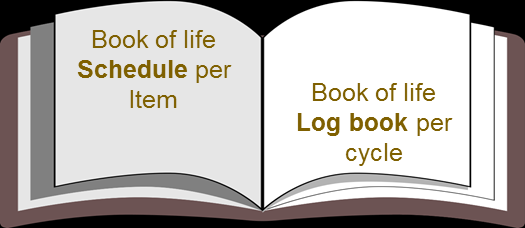
Activity scheduling is a crucial aspect of properly implementing the LTMP. The Book of Life itemizes all planned maintenance activities, including both annual cycle recurring tasks and non-annual cycle activities to be carried out in specific years.
The Activity Framework of the LTMP includes the following activity types:
Monitoring/Inspecting Activities: These activities validate the condition of items/components and enable pro-active, preventative, and predictive measures, considering both planned and unplanned events.
Routine Maintenance: Pro-active routine maintenance ensures sustained and uninterrupted functionality of assets and components.
Renewal Activities: These activities are also pro-active, aiming to minimize life cycle degradation and aging of structural items/components.
Restoration: Re-active activities focus on intensive maintenance to address abnormal degradation and deterioration promptly.
Key Principles Underpinning LTMP Activity Scheduling
Clustering: Clustering activities of similar type or competency together allows for scale benefits, minimizing costs and interruptions associated with marginal work.
Just-In-Time (JIT): Adopting a JIT approach ensures activities are performed at the optimal time, maximizing the life-time value, cost efficiency, and productivity, while minimizing wastage. Tolerance indicators can aid in scheduling activities using the JIT method.
Conclusion
A properly implemented LTMP is a powerful tool that optimizes structural property management. With a well-structured activity scheduling approach, property managers and trustees can experience reduced workloads, improved quality control, decreased maintenance costs, and a transition to pro-active and predictive maintenance. By embracing the principles of the LTMP, property stakeholders can achieve long-term financial and efficiency gains, ensuring the sustainability and value of their investments.


Comments